
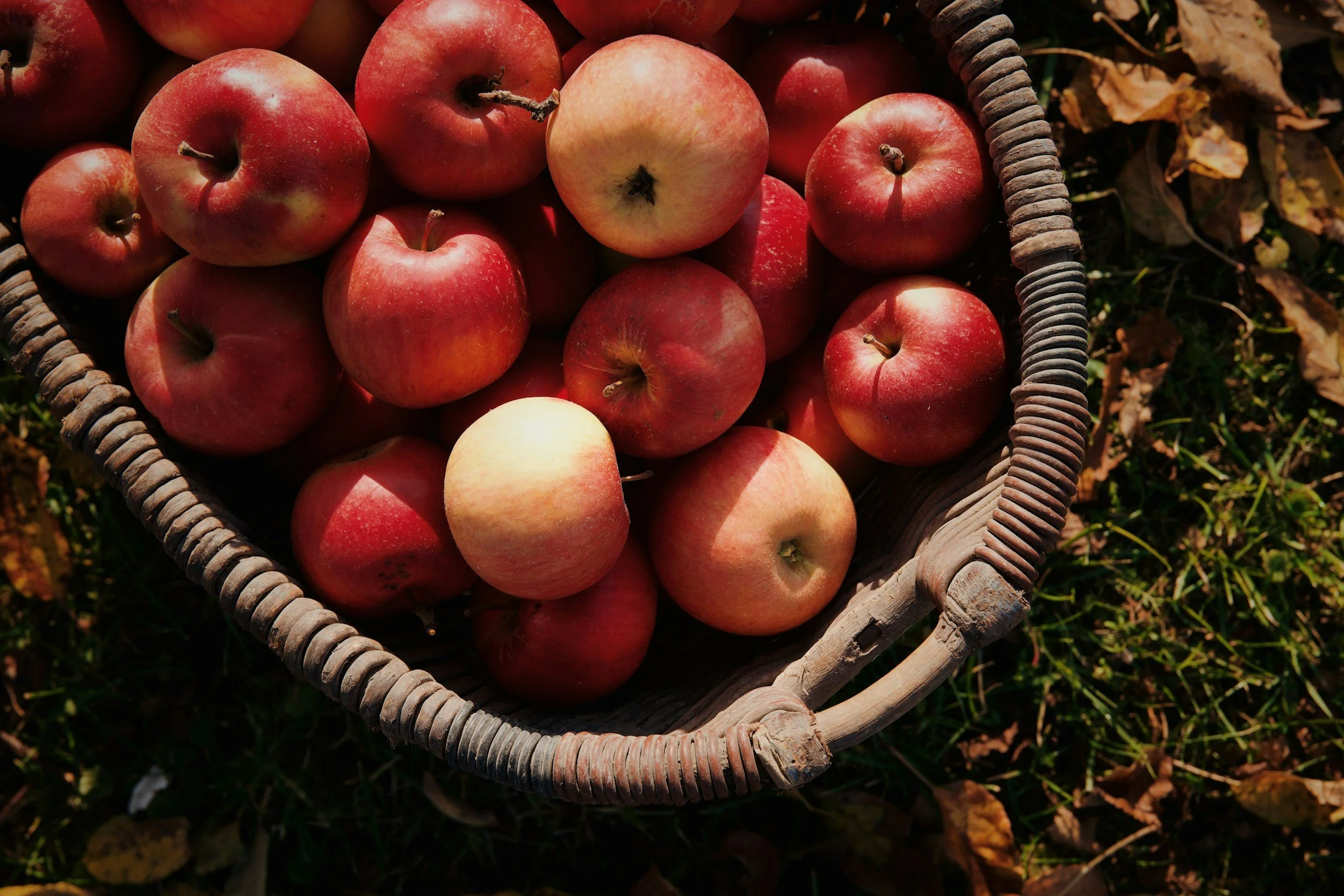
As the weather cools and fall flavors take center stage, apples are a delicious way to add more nutrition to everyday meals and snacks. From crisp Honeycrisp apples to sweet Gala varieties, this seasonal favorite offers more than a satisfying crunch. Apples provide dietary fiber, antioxidants, and beneficial plant compounds that can support overall health. While no single food can prevent disease, research suggests that regularly enjoying apples as part of a balanced diet may support cardiovascular health and other aspects of overall wellness.
Whether eaten fresh, sliced into oatmeal, or baked with cinnamon, apples make it easy to enjoy fall flavors while making nutritious choices.

What Makes Apples a Healthy Choice?
Apples are a convenient, nutrient-rich fruit that can fit easily into a healthy diet. A medium apple with the skin provides about 4 grams of fiber, plus vitamin C and naturally occurring plant compounds.
Here are a few reasons to add apples to the menu this fall:
Dietary fiber: Fiber supports digestive health and helps promote regular bowel movements. Certain types of soluble fiber, including pectin found in apples, may also help support healthy cholesterol levels.
Antioxidants: Apples contain plant compounds, including polyphenols and flavonoids, that researchers are studying for their potential role in protecting cells from oxidative stress.
Vitamin C: This essential nutrient supports immune function, collagen production, and wound healing.
Natural sweetness: Apples offer sweetness without the added sugars found in many desserts and packaged snacks.
For the most nutritional benefit, eat apples whole and leave the skin on after washing. Much of an apple's fiber and many of its beneficial plant compounds are found in or near the skin.When to Seek Help for Anxiety
While occasional anxiety is a normal response to stress, persistent or overwhelming anxiety may be a sign that additional support could be helpful. If anxiety regularly interferes with sleep, work, relationships, daily activities, or overall quality of life, consider discussing these concerns with a qualified healthcare or mental health professional.
At Aspire Family Medical, Nurse Practitioner Kerstin Gillespie can help patients discuss anxiety symptoms, explore management options, and determine whether additional support or a referral to a mental health professional may be appropriate. Seeking help is an important step toward understanding anxiety and finding healthy ways to manage it.
You don’t have to wait until stress feels overwhelming to take a moment for yourself. A few slow breaths, a gentle stretch, a short walk, or a few minutes of mindfulness can become simple but meaningful ways to reset throughout your day. The key is to find the techniques that work best for you and make them part of your regular routine. With consistent practice, these small moments of relaxation can become valuable tools for managing everyday stress and anxiety.
Apples and Cardiovascular Health: What Does the Research Show?
Heart health is an important part of overall wellness, and a balanced diet can help support cardiovascular health over time. Apples contain fiber, flavonoids, and other plant compounds that researchers have studied for their potential relationship with heart health.
A 2019 systematic review and meta-analysis published in Current Developments in Nutrition examined 22 studies involving apples, pears, and their products. Researchers found that observational studies linked higher apple or pear consumption with a lower risk of cerebrovascular disease, cardiovascular death, and type 2 diabetes. However, randomized controlled trials did not consistently show improvements in cholesterol, blood pressure, or blood glucose.
These findings are encouraging, but they do not prove that eating apples alone prevents heart disease. Instead, they point to broader dietary factors that may help explain the relationship between enjoying fruit and a healthy diet. The next section explores how apples may support heart health in more specific ways.
How Apples Support Heart Health
Fiber and cholesterol
Apples contain soluble fiber, including pectin, which can help support healthy cholesterol levels. Soluble fiber can bind with substances in the digestive tract and help reduce cholesterol absorption. Including apples in a healthy diet alongside other fiber-rich foods, such as oats, beans, and vegetables, can contribute to an overall heart-healthy eating pattern.
Flavonoids and plant compounds
Apples provide flavonoids and polyphenols, which researchers have studied for their potential effects on cardiovascular health processes. These compounds may help reduce inflammation and improve other markers associated with heart disease.
A nutritious alternative to processed snacks
Choosing a whole apple instead of a snack high in added sugars or saturated fat can be a simple way to improve everyday eating habits. To create a well-balanced snack plate, pair apples with nuts, seeds, or plain yogurt.
Ultimately, apples are best seen as one part of a heart-healthy lifestyle that includes a variety of fruits and vegetables, regular physical activity, adequate sleep, and other healthy habits.
How Apples Support Digestive Health
A healthy digestive system also benefits from adequate fiber, and apples are an easy way to add more fiber to a daily diet. Apple fiber supports regularity, while pectin is a type of soluble fiber that beneficial gut bacteria can ferment.
Eating a variety of fiber-rich foods is important because different foods offer different types of fiber and nutrients. Try adding chopped apples to oatmeal, mixing them into a salad, or eating apple slices as an afternoon snack.
For anyone increasing fiber intake, gradual changes and drinking enough water can help the digestive system adjust comfortably.
Healthy Ways to Enjoy Fall Apples
One of the best things about apples is how easily they fit into meals throughout the day. Enjoy them in different ways to keep healthy eating interesting while making the most of fall produce.
Breakfast
Start the morning with oatmeal topped with diced apples, cinnamon, and walnuts. Apples also pair well with plain yogurt, overnight oats, or whole-grain pancakes. These combinations let you add fiber and other nutrients early in the day.
Snacks
For a quick snack, slice an apple and serve it with nut butter, cheese, or yogurt. Apples are portable and need little prep, making them a convenient option on busy days.
Lunch
Add thin apple slices to a spinach salad with walnuts and grilled chicken, or include them in a whole-grain turkey wrap. Their crisp texture and natural sweetness pair well with savory ingredients.
Dinner
Apples can also add subtle sweetness to savory meals. Try roasting apple wedges with chicken, adding diced apples to a grain bowl, or tossing thin slices into a salad with roasted vegetables.
Healthier Fall Apple Recipes to Try
Fall favorites can still fit into a nutritious eating pattern with a few simple ingredient choices. Consider these easy ideas:
Baked cinnamon apples: Slice apples, sprinkle with cinnamon, and bake until tender. Add a small amount of chopped nuts for crunch.
Apple cinnamon oatmeal: Stir diced apples into oatmeal while it cooks, then top with cinnamon and walnuts.
Healthy apple crisp: Combine sliced apples with oats, cinnamon, and a modest amount of added sugar or another preferred sweetener.
Apple and spinach salad: Toss fresh apple slices with spinach, walnuts, and a light vinaigrette.
Greek yogurt apple parfait: Layer plain Greek yogurt with diced apples, cinnamon, and a sprinkle of oats or nuts.
When making apple desserts, consider reducing added sugar and using ingredients like oats, nuts, and cinnamon to add flavor and texture. The goal isn't to eliminate seasonal treats, but to find enjoyable ways to balance flavor and nutrition.
Choose Whole Apples More Often
You can enjoy fresh apples, applesauce, apple juice, and apple cider, but they don't offer the same nutritional benefits.
Whole apples offer fiber, water, and a satisfying texture. Unsweetened applesauce can be a convenient alternative, though its texture and fiber content may differ from a whole apple. Apple juice generally contains less fiber and can be easier to consume quickly in larger quantities. Sweetened applesauce, cider drinks, and apple-flavored snacks may also contain added sugars.
For everyday eating, choose whole apples most often and check nutrition labels when buying packaged apple products. Look for unsweetened options when available.
Make Apples Part of a Balanced Fall Diet
Enjoying seasonal produce is a simple way to bring variety to a healthy eating routine. Apples provide fiber, vitamin C, and beneficial plant compounds, but they work best alongside other nutrient-rich foods rather than replacing a balanced diet.
Build meals around a variety of fruits and vegetables, whole grains, lean proteins, and healthy fats. Small, consistent choices add up over time, and seasonal foods can make them more enjoyable.
Enjoy Fall Apples While Supporting Your Health
As the fall season brings crisp, delicious apples to the table, it’s the perfect time to enjoy this nutritious fruit in simple, healthy ways. Small, consistent choices like these can help make healthy eating a natural part of everyday life.
For personalized nutrition advice that supports your health goals and individual needs, talk with your healthcare provider. At Aspire Family Medical in Liberty Hill, TX, we encourage thoughtful food choices that support your long-term health and well-being. To reach your wellness or weight-loss goals, call our office to schedule a consultation.