
6 Anxiety Relief Exercises to Help You Relax and Reduce Stress
Ever feel like your mind has a dozen tabs open at once? Between busy mornings, work deadlines, family responsibilities, and everything waiting on tomorrow’s to-do list, it’s easy for stress to build without even realizing it. Over time, that stress can show up as racing thoughts, muscle tension, headaches, trouble sleeping, difficulty concentrating, or simply feeling overwhelmed. While some stress is a normal part of life, finding simple ways to pause and reset can help you feel calmer and in control.
The good news is that you don’t need hours of free time to relax. Just a few intentional minutes of slow breathing, gentle stretching, mindfulness, or muscle relaxation can give your mind and body a much-needed break. In this blog, we’ll share six simple anxiety relief exercises you can practice at home, at work, or throughout your day. These easy techniques can help you slow down, release tension, and create moments of calm when you need them most.
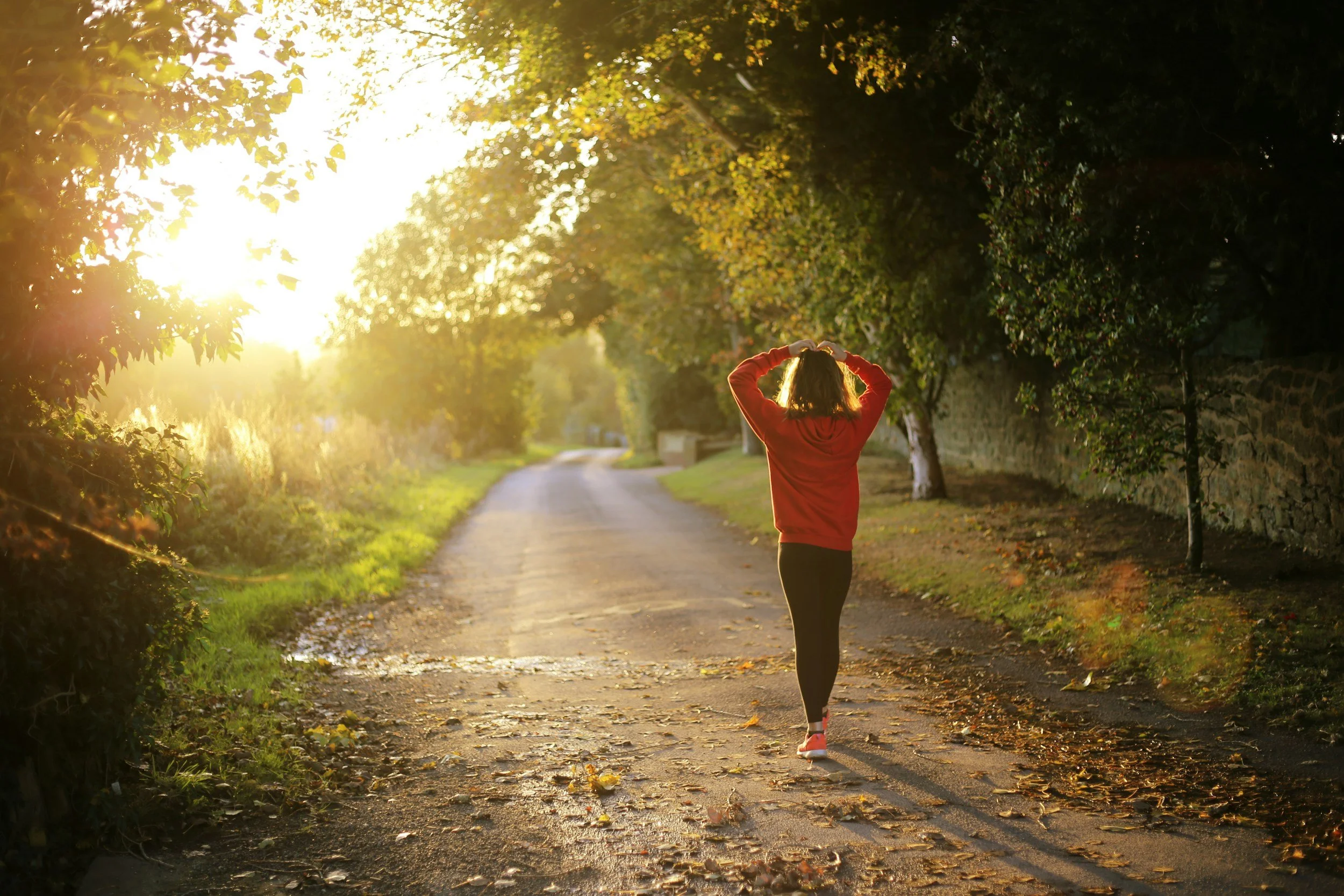
6 Anxiety Relief Exercises
1. Deep Breathing
Slow, controlled breathing is a simple way to help the body relax when stress or anxiety starts to build. Taking slow, deep breaths can encourage a steadier breathing pattern and help shift attention away from racing thoughts. Try inhaling slowly through the nose, allowing the belly to gently rise, then exhaling slowly through the mouth. Repeating this for several breaths can create a calming pause, ease feelings of tension, and help the mind feel more settled.
2. Progressive Muscle Relaxation
Progressive muscle relaxation is a simple technique that can help release physical tension caused by stress. The exercise involves gently tensing one muscle group at a time, holding the tension for a few seconds, and then slowly relaxing the muscles. Starting with areas such as the hands and shoulders and gradually working through the body can help you notice where you are holding tension and consciously let it go. With each release, the muscles may feel more relaxed, helping create a greater sense of physical and mental calm.
3. Mindfulness for Anxiety
Focusing on the present moment can be a helpful way to quiet racing thoughts and create a sense of calm. When the mind is caught up in worries about the future or replaying things from the past, bringing attention back to what is happening right now can provide a mental break. Try noticing the sights, sounds, smells, or physical sensations around you, or simply focus on the feeling of each breath. This simple practice can help redirect attention away from stressful thoughts and encourage a more relaxed, grounded state of mind.
4. Gentle Stretching
Gentle movement and stretching can be an easy way to release muscle tension and help the body relax. Stress can cause muscles to tighten, particularly in areas such as the neck, shoulders, and back. Taking a few minutes to stretch or move the body can help loosen tight muscles, improve circulation, and provide a refreshing break from sitting or staying in one position. Simple movements, such as shoulder rolls, neck stretches, or a short walk, can help reduce physical tension while also giving the mind a chance to reset.During Your Treatment
5. Visualization
Imagining a peaceful place or calming scene can give the mind a break from stressful or racing thoughts. This technique, sometimes called guided imagery, involves picturing a relaxing setting, such as a quiet beach, peaceful forest, or favorite vacation spot, and focusing on the details. Think about the sights, sounds, smells, and sensations associated with the scene. Engaging the senses can help shift attention away from everyday worries and encourage a greater sense of calm and relaxation.
6. Walking or Light Exercise
Regular physical activity can be a helpful part of managing stress and supporting emotional well-being. Movement can provide a healthy break from daily worries while helping release built-up physical tension. Activities such as walking, cycling, dancing, swimming, or yoga can also help improve sleep and boost overall mood. Physical activity does not have to be intense to be beneficial—even a short walk or a few minutes of movement throughout the day can provide an opportunity to reset, clear the mind, and feel more refreshed.Why Choose Aspire Family Medical for Cosmetic Treatments?
When to Seek Help for Anxiety
While occasional anxiety is a normal response to stress, persistent or overwhelming anxiety may be a sign that additional support could be helpful. If anxiety regularly interferes with sleep, work, relationships, daily activities, or overall quality of life, consider discussing these concerns with a qualified healthcare or mental health professional.
At Aspire Family Medical, Nurse Practitioner Kerstin Gillespie can help patients discuss anxiety symptoms, explore management options, and determine whether additional support or a referral to a mental health professional may be appropriate. Seeking help is an important step toward understanding anxiety and finding healthy ways to manage it.
You don’t have to wait until stress feels overwhelming to take a moment for yourself. A few slow breaths, a gentle stretch, a short walk, or a few minutes of mindfulness can become simple but meaningful ways to reset throughout your day. The key is to find the techniques that work best for you and make them part of your regular routine. With consistent practice, these small moments of relaxation can become valuable tools for managing everyday stress and anxiety.
We Are Here to Help
If anxiety continues to feel difficult to manage or starts affecting your sleep, relationships, work, or daily life, you don’t have to navigate it alone. Kerstin Gillespie at Aspire Family Medical can help you understand your symptoms and explore options for managing anxiety in a way that fits your needs. Take the first step toward feeling more in control—contact Aspire Family Medical today to schedule an appointment and get the support you deserve.