
Chronic Kidney Disease (CKD): Symptoms, Causes, and Treatment
Your kidneys play a vital role in keeping your body healthy by filtering waste, balancing fluids, and removing toxins from your blood. When your kidneys gradually lose their ability to perform these important functions, it can lead to Chronic Kidney Disease (CKD). Early diagnosis is one of the best ways to slow the progression of kidney disease and protect your long-term health.
At Aspire Family Medical, Nurse Practitioner Kerstin Gillespie provides compassionate, comprehensive care for patients concerned about kidney health in Liberty Hill, TX. Regular wellness exams and routine lab work can help identify kidney disease before symptoms become severe.
What Is Chronic Kidney Disease?
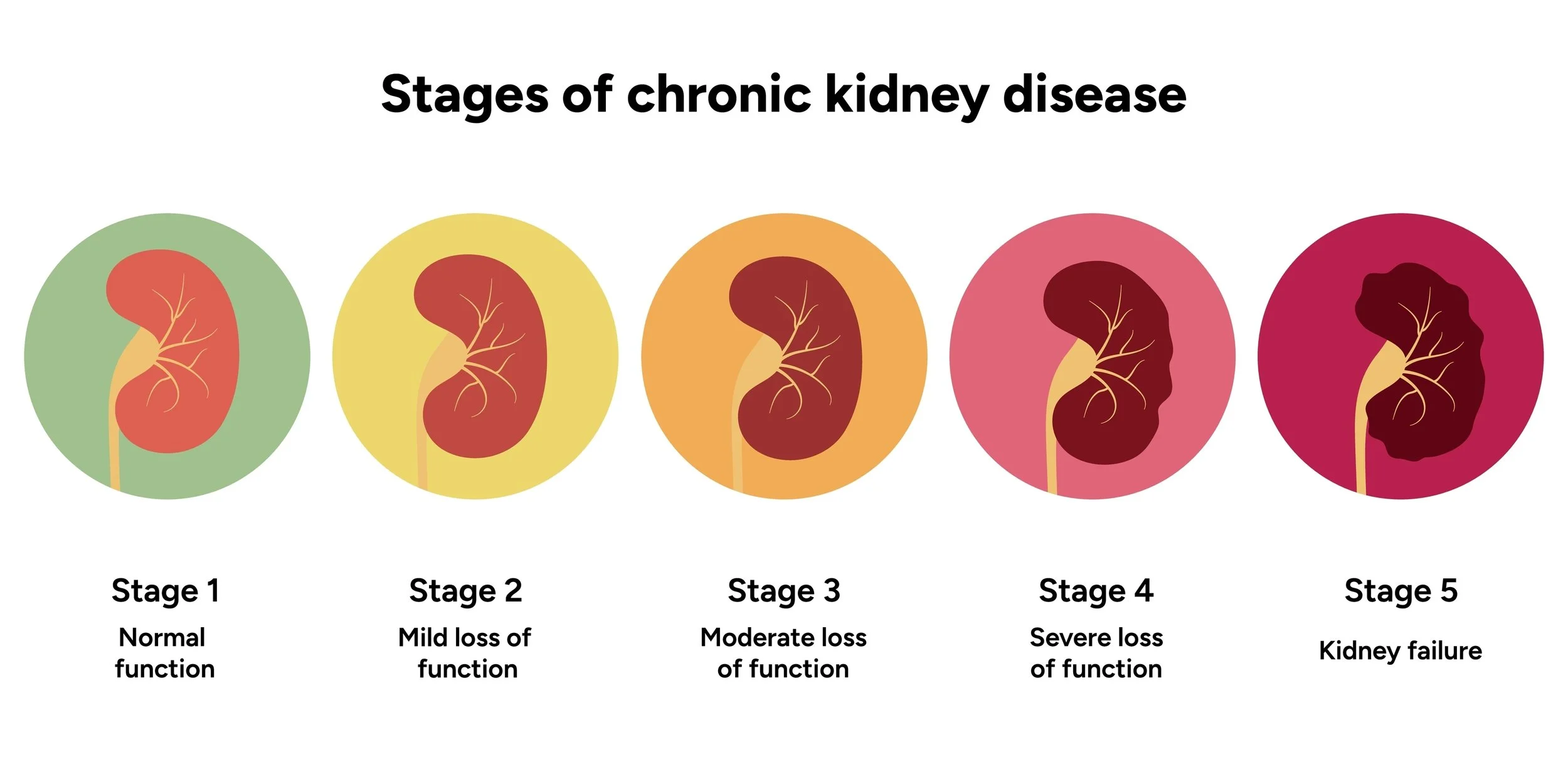
Chronic Kidney Disease (CKD) is a long-term condition that causes the kidneys to gradually lose their ability to filter waste, excess fluids, and toxins from the blood. CKD often develops slowly and may not cause noticeable symptoms in its early stages, which is why regular medical checkups and kidney function testing are so important.
How Common is CKD?
CKD is more common than many people realize. According to the CDC, 1 in 10 U.S. adults, or about 37 million people, are living with CKD. Unfortunately, many don't know they have it because symptoms often don't appear until kidney damage has progressed.
What Are the Symptoms of CKD?
Many people with early-stage CKD feel completely healthy. As kidney function declines, symptoms may begin to appear and can include:
Swelling in the hands, feet, ankles, or face
Frequent urination, especially at night
Dry or itchy skin
Fatigue or low energy
Muscle cramps
Poor appetite
Nausea
Difficulty concentrating
Because these symptoms can also be caused by other medical conditions, it's important to schedule an evaluation with your healthcare provider if you notice persistent changes in your health.
What Causes CKD?
The two leading causes of CKD are:
High blood pressure (hypertension)
Diabetes
Other conditions, infections, autoimmune diseases, inherited disorders, and certain medications can also contribute to kidney damage over time.
Who Is At Risk for CKD?
You may have a higher risk of developing CKD if you:
Have diabetes
Have high blood pressure
Have heart disease
Have a family history of kidney disease
Were born with abnormal kidney structure
Are over age 60
Regularly take NSAID pain relievers such as ibuprofen or naproxen for long periods
Knowing your risk factors allows your healthcare provider to monitor your kidney function before permanent damage occurs.
How is Kidney Disease Diagnosed?
If you're concerned about your kidney health, Nurse Practitioner Kerstin Gillespie will begin with a thorough medical history, physical examination, and review of your medications and symptoms.
Kidney function is typically evaluated with blood and urine tests.
Blood Tests
Your provider may order:
Glomerular Filtration Rate (GFR): Measures how well your kidneys filter waste and helps determine the stage of CKD.
Serum Creatinine: Measures the amount of creatinine in your blood. Elevated levels may indicate reduced kidney function.
Urine Tests
Urine testing checks for:
Protein (albumin)
Blood in the urine
Healthy kidneys normally prevent both from leaking into the urine.
How is CKD Treated?
Although there is currently no cure for CKD, early treatment can help slow its progression and preserve kidney function for as long as possible.
Treatment may include:
Controlling blood pressure
Managing diabetes
Eating a kidney-friendly diet
Staying physically active
Maintaining a healthy weight
Drinking adequate water
Avoiding tobacco products
Limiting long-term use of NSAID pain medications
Taking prescribed medications as directed
Regular monitoring of kidney function
For people with advanced kidney disease, dialysis or a kidney transplant may eventually become necessary.
Protect Your Kidney Health with Early Detection
The earlier Chronic Kidney Disease is detected, the more options you have to protect your kidney function and overall health. Routine physical exams, blood pressure checks, and simple blood and urine tests can identify kidney problems before symptoms develop.
If you have diabetes, high blood pressure, a family history of kidney disease, or are experiencing symptoms that concern you, don't wait to seek care.
Schedule a Health Evaluation in Liberty Hill, TX
If you're looking for personalized primary care in Liberty Hill, TX, Nurse Practitioner Kerstin Gillespie at Aspire Family Medical is here to help. Whether you need routine preventive care, management of chronic conditions like diabetes or high blood pressure, or an evaluation of your kidney function, our team is committed to helping you stay healthy. Contact Aspire Family Medical today to schedule your appointment and take the first step toward protecting your kidney health.