
Lake Safety Tips for Summer 2026: Simple Steps for a Safe Trip to the Lake
Whether you're swimming, sailing, kayaking, or enjoying the lakeside, safety should always come first. Aspire Family Medical loves the families of Williamson County and is here to help you and your family stay safe and enjoy your time on or near the water this summer. Swimming in natural water environments can present more challenges than swimming in a home pool. Here are several safety tips to keep in mind for a safe and successful day at the lake this summer.
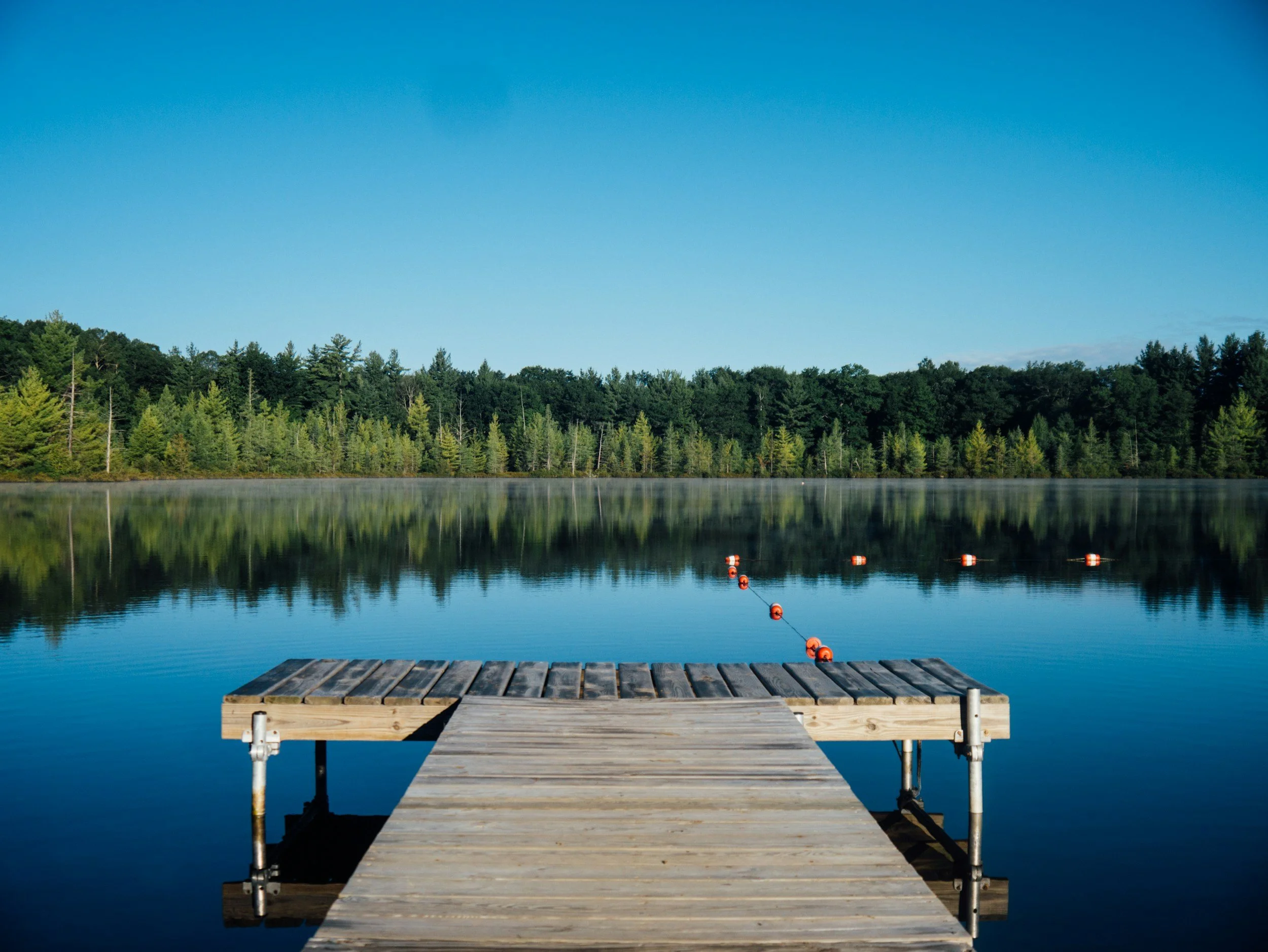
Swimming Safely in Lakes, Rivers, and Streams
The American Red Cross suggests the following top three safety tips to keep in mind as you begin your fun-filled day enjoying the lake or river.
Take swim lessons.
Make sure you are familiar with everyone's swimming skills in your group. Encourage your family members to learn how to swim so they can comfortably and safely enjoy water activities. Achieving water competency means they can enter the water, take a breath, stay afloat, change their position, swim a bit, and get out safely. This way, everyone can have fun while staying safe around water.
Enter the water feet-first in a shallow area.
Entering the water feet first is the safest way to enter any body of water because it protects your head and spine from impact. It allows your legs to safely absorb the shock of entering the water and serves as a built-in safety check in shallow areas. Entering the water carefully is important, especially in natural waters where there may be hidden rocks, tree stumps, or other hazards.
Be aware of your surroundings.
Stay alert to your environment when in the water. Be cautious of currents, waves, and underwater obstacles. Natural waters present many hazards not found in home pools. Always remain vigilant and teach your child to be aware of their surroundings, including fast currents, underwater drop-offs, vegetation, animals, and other water activities, such as boating.
Additional Water Safety Tips
Wear Your Life Jacket
Wearing a life jacket at all times on the water is crucial because accidents happen instantly, and drowning is the leading cause of recreational boating fatalities. According to the National Parks Service, roughly 80-90% of all boating-related drowning victims were not wearing life jackets. Emergencies leave no time to put one on. Life jackets provide immediate buoyancy to keep your head above water.
Prevent Carbon Monoxide Poisoning
The risk of carbon monoxide (CO) poisoning when boating is severe and often fatal because the gas is completely invisible, odorless, and tasteless. Gas-powered engines and generators produce high levels of CO, which can build up to dangerous levels both inside the cabin and in the open air near the boat's stern or swim platform.
Avoid the Danger Zone
Never sit on the swim platform or back deck while engines are running or idling.
Do not "teak surf", which means holding onto the swim platform while being towed, or swim directly behind a moving boat.
Keep your distance: Anchor, beach, or raft at least 20 feet away from other boats with running engines or generators.
Stay Hydrated
Staying properly hydrated at the lake is essential for regulating your body temperature, preventing heat-related illnesses like heat exhaustion, and maintaining energy and focus during physical activities such as swimming, boating, or fishing.
Quick Tips for Lake Hydration
Drink Before You're Thirsty: By the time you feel thirsty, your body is already dehydrated. Sip continuously throughout the day.
Mind the Alcohol: While it’s tempting to enjoy a beer or cocktail on the boat, alcohol acts as a diuretic and speeds up dehydration. Balance every alcoholic beverage with a glass of water.
Replenish Electrolytes: If you are sweating heavily, plain water may not be enough. Consider packing sports drinks, electrolyte tablets, or electrolyte-rich foods to help maintain hydration.
Monitor Your Output: The best way to track your hydration is by checking your urine. Pale or clear urine indicates better hydration, while dark yellow means you need to drink more fluids
For a safe and fun time at the lake, follow these tips and stay informed. Stay alert, be prepared, and put safety first for you and your family. If you have any questions, call Aspire Family Medical. We are here to help!